

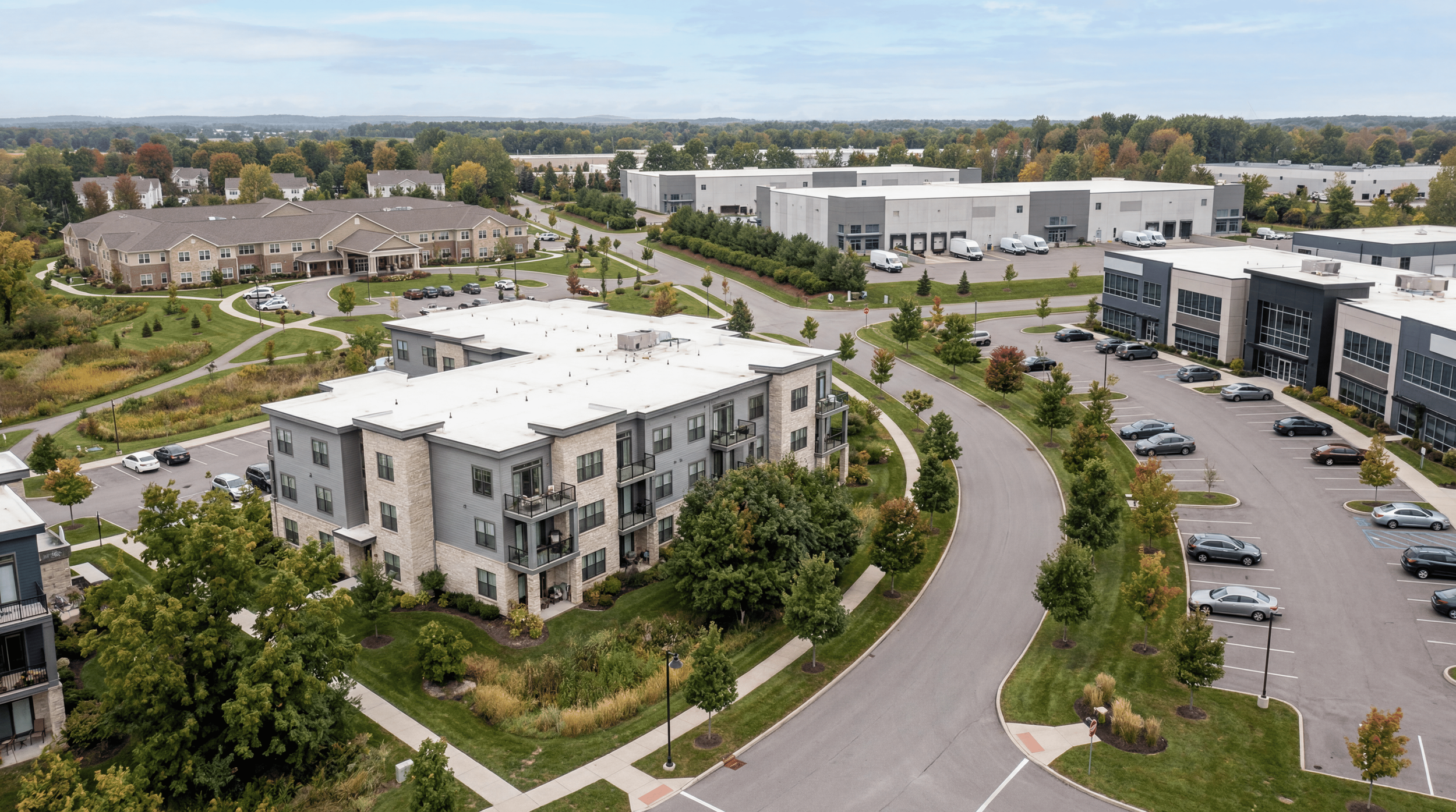
Built for the people responsible for commercial property risk.
Clearline works with commercial property stakeholders navigating roof and exterior envelope conditions tied to capital planning, operational continuity, acquisition risk, recurring maintenance exposure, insurance concerns, budget timing, and controlled execution.
Commercial property owners and operators.
Commercial property owners engage Clearline when roof and exterior envelope conditions begin affecting reserve planning, operating budgets, tenant experience, capital timing, insurance exposure, ownership confidence, or long-term asset performance.
These issues often appear as recurring leaks, aging roof systems, deferred maintenance, conflicting contractor recommendations, reactive repair cycles, or uncertainty around replacement timing.
Clearline helps ownership understand what conditions actually exist, which issues are operational concerns versus capital problems, what level of urgency is real, and what action path makes the most sense before money is committed.
Typical Engagements
TREDA
Service & Repair
Capital Projects
RES
Asset managers and portfolio ownership groups.
Asset managers operate inside competing capital priorities. Roof and envelope decisions are rarely isolated construction decisions. They affect reserve allocation, NOI protection, portfolio planning, refinancing readiness, ownership reporting, operational continuity, and future capital exposure.
Clearline supports asset managers by organizing roof and envelope conditions into practical planning pathways with clearer prioritization, budget timing, sequencing, and visibility into future exposure.
These engagements are especially relevant during portfolio capital planning, reserve review cycles, refinance preparation, deferred maintenance review, or periods where property-level documentation is inconsistent across assets.
Typical Engagements
CPE
TREDA
APR
RES
Property management firms.
Property managers often experience roof and envelope problems first. They manage tenant complaints, emergency calls, recurring leak frustration, vendor coordination, ownership communication, scheduling pressure, and operational disruption.
Clearline helps property management teams create clearer visibility before issues escalate into emergency spending, tenant dissatisfaction, repeated repair cycles, or difficult ownership conversations.
The objective is not simply resolving leaks. The objective is helping property teams understand what is happening, what needs immediate attention, what should be monitored, what should be budgeted, and what ownership needs in order to make a defensible decision.
Typical Engagements
TREDA
Service & Repair
RES
Capital Projects
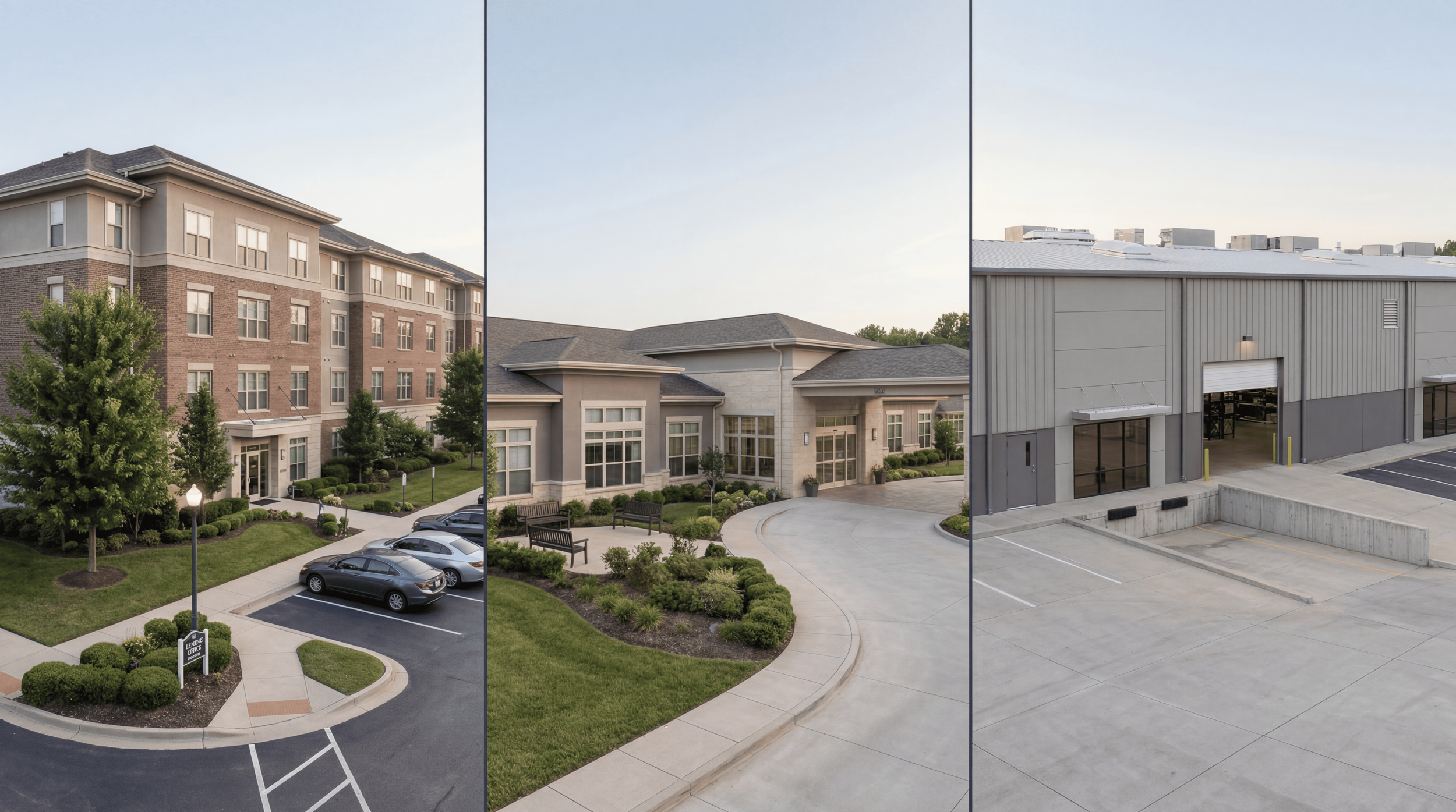
Acquirers, disposition teams, and transaction stakeholders.
Roof and envelope conditions frequently become transaction problems late in the diligence process. Undocumented deferred maintenance, aging systems, recurring leaks, unclear replacement timing, and generic remaining-life assumptions can affect underwriting, escrow negotiations, lender review, post-close reserve planning, buyer confidence, and transaction timelines.
Clearline supports transaction stakeholders through focused roof and envelope review designed to surface material exposure before ownership commitments are finalized.
The objective is not to complicate the transaction. The objective is to reduce surprises after closing and clarify whether the condition creates a repair issue, capital planning issue, negotiation issue, or post-close execution issue.
Typical Engagements
APR
TREDA
CPE
Lenders and capital partners.
Lenders and capital partners engage Clearline where roof and envelope conditions may affect collateral quality, reserve adequacy, refinancing readiness, borrower planning, deferred maintenance exposure, or capital improvement requirements.
Clearline provides organized documentation and condition visibility intended to support broader decision-making processes involving commercial property risk, capital planning, and execution feasibility.
These engagements are typically relevant during refinancing review, acquisition financing, capital partner diligence, lender-required documentation, reserve concern review, or deferred maintenance evaluation.
Typical Engagements
APR
TREDA
CPE
Senior housing and operationally sensitive properties.
Senior housing, assisted living, and healthcare-related environments require greater operational sensitivity during both diagnostic and execution work.
Roof and envelope failures in these settings can create resident disruption, interior damage, scheduling complications, operational continuity concerns, documentation needs, and heightened ownership pressure.
Clearline approaches these properties with emphasis on communication discipline, phased planning, operational coordination, documentation clarity, disruption minimization, and controlled execution when work is required.
Typical Engagements
TREDA
Service & Repair
Capital Projects
RES
Industrial and warehouse facilities.
Industrial and warehouse environments often involve large roof systems where unresolved conditions can affect operations, inventory, tenant relationships, logistics continuity, capital planning, and insurance exposure.
Clearline helps industrial property stakeholders identify conditions, prioritize repairs or replacements, and create more organized planning pathways around aging, leaking, or failing roof and exterior systems.
These engagements are often triggered by active leak conditions, aging low-slope systems, recurring patch cycles, deferred replacement planning, tenant concerns, insurance exposure, or operational scheduling constraints.
Typical Engagements
TREDA
CPE
Service & Repair
Capital Projects
Western New York commercial properties.
Clearline serves commercial property stakeholders across Western New York, including Buffalo-Niagara, Rochester, the Finger Lakes region, and surrounding regional commercial markets.
Western New York properties face harsh winter exposure, freeze-thaw cycles, aging building stock, drainage challenges, and deferred envelope conditions that can make generic lifecycle assumptions unreliable.
Selective engagements outside the region are evaluated based on portfolio structure, project type, timing, and strategic fit.
Buffalo-Niagara · Rochester · Finger Lakes · Regional WNY Markets
Built for commercial property decision environments.
Clearline is structured for situations where roof and envelope conditions affect more than the roof itself.
The work exists at the intersection of capital planning, operational continuity, ownership visibility, transaction risk, execution control, and long-term asset protection.